Britain's Regulatory Framework and Its Influence on E-Wallet Usage for Table Game Incentives in Mobile Settings
Written by Zoe Hansen · Sep 27, 2026
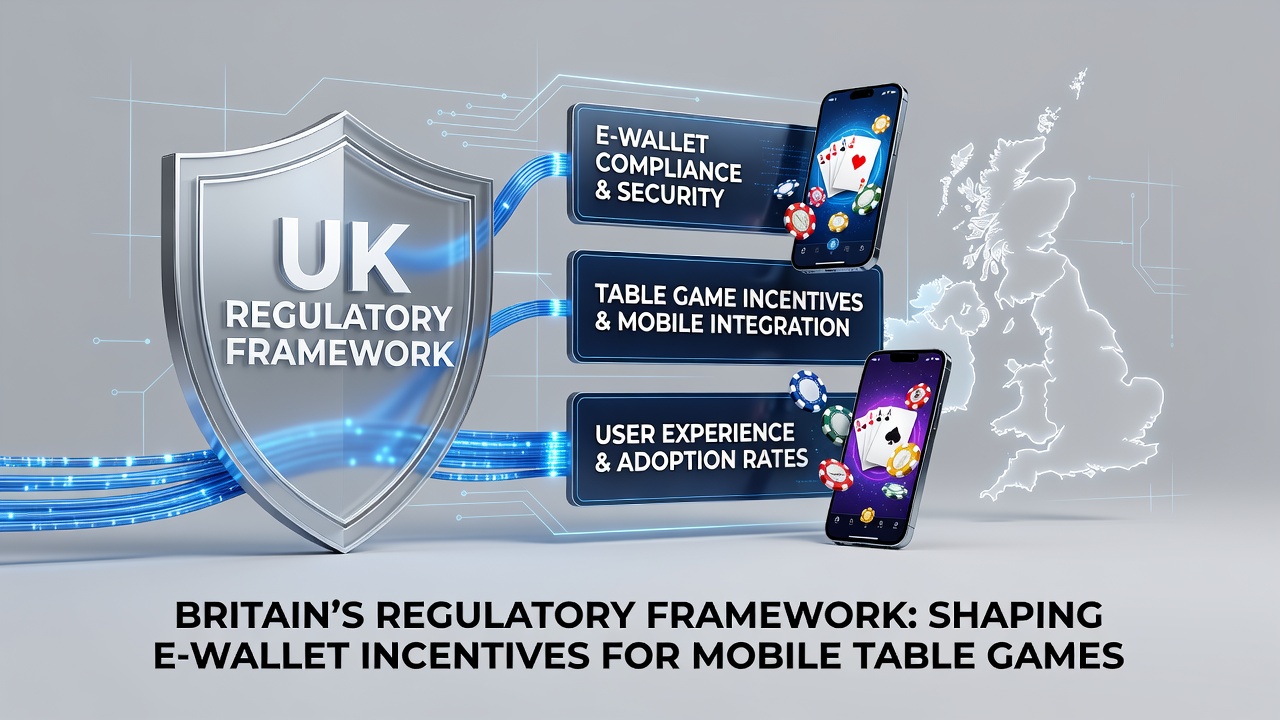
Britain's Regulatory Framework and Its Influence on E-Wallet Usage for Table Game Incentives in Mobile Settings
Britain maintains a structured approach to gambling oversight that shapes how operators deploy e-wallets for table game incentives on mobile platforms, with rules focusing on consumer protection, transaction transparency, and responsible incentive distribution. These frameworks require operators to integrate secure payment gateways that align with broader digital finance standards, while specific provisions address mobile accessibility and bonus mechanics tied to games such as blackjack, roulette, and poker.
Core Elements of the Regulatory Structure
Operators must adhere to verification protocols that link e-wallet accounts directly to verified user identities before any incentive credits appear in mobile sessions, and this process draws from established digital identity standards that reduce fraud risks across platforms. Data from international regulatory comparisons shows that similar verification steps appear in frameworks managed by bodies such as those in Canadian federal financial oversight, where cross-border payment rules influence how incentives reach users without compromising security layers.
Table game incentives delivered through e-wallets face additional scrutiny under mobile-specific guidelines that limit the speed and value of bonus releases during live sessions, ensuring players encounter clear terms before funds activate. Researchers at various academic institutions note that these limits emerged from patterns observed in earlier digital gambling expansions, where rapid incentive flows sometimes bypassed intended safeguards.
Impact on Mobile Table Game Operations
Mobile operators adjust their systems to accommodate e-wallet processing times mandated by regulatory timelines, which often extend to several hours for incentive approvals on table games rather than instant credits. This adjustment affects user flow during peak evening hours, when players frequently switch between devices yet encounter consistent verification checkpoints regardless of location within Britain.
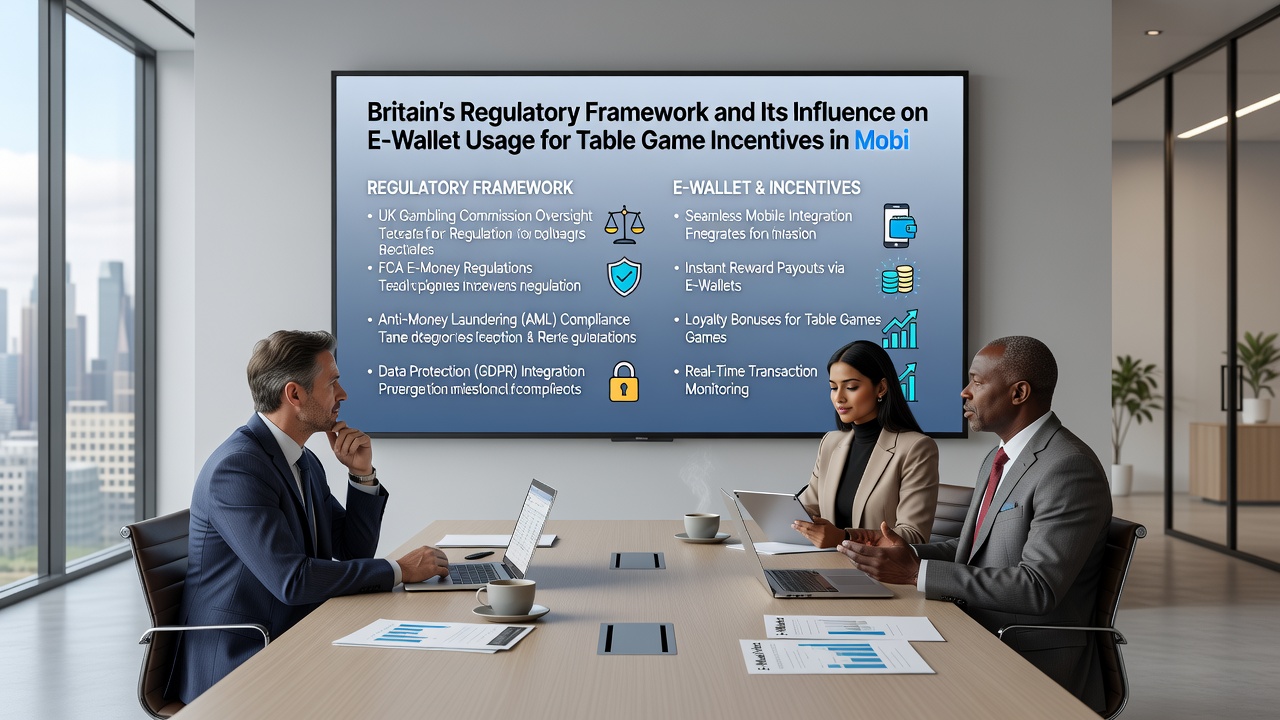
September 2026 brought refinements to mobile data handling requirements that tightened how operators log e-wallet transactions linked to incentive redemptions, particularly for table games that involve real-time betting adjustments. These changes align with broader European digital payment directives, prompting platforms to update their backend systems while maintaining compatibility with popular e-wallet providers that already meet multi-region compliance benchmarks.
Industry reports from organizations tracking global gambling trends indicate that e-wallet adoption rates for table game incentives climbed steadily once operators clarified their mobile interfaces to match these updated logging standards. Observers note that players benefit from streamlined menus that display incentive balances alongside standard account funds, reducing confusion during extended sessions on smartphones and tablets.
Comparative Influences from Other Jurisdictions
Britain's model incorporates lessons from regulatory experiments elsewhere, such as those documented in Australian state-level reviews of digital wallet usage in gaming, where incentive caps helped stabilize participation levels across mobile channels. Such cross-references allow British frameworks to refine rules without duplicating entire systems from other countries.
Academic studies published through university research centers highlight how e-wallet traceability features support audit trails that regulators examine during routine compliance checks, especially when incentives tie to table game outcomes that generate variable win rates. These studies emphasize the value of timestamped transaction records that mobile apps must preserve for at least seven years under current directives.
Operational Adjustments by Providers
Service providers respond to these rules by embedding automated compliance checks into their mobile applications, which flag any e-wallet transfer exceeding incentive thresholds before it processes on table game interfaces. This automation reduces manual reviews while preserving the ability for operators to intervene when patterns suggest unusual activity.
Payment processors that partner with British gambling platforms report increased demand for APIs capable of handling both standard deposits and incentive allocations in a single mobile workflow. Figures released by international trade groups reveal that such integrations now cover a majority of active mobile table game users who prefer e-wallets over traditional card methods.
Conclusion
Britain's regulatory framework continues to guide e-wallet integration for table game incentives within mobile environments through verification mandates, transaction logging requirements, and incentive distribution limits that operators implement across platforms. Updates effective in September 2026 further aligned these practices with evolving digital standards drawn from multiple regions, while comparative data from Canadian and Australian oversight bodies informs ongoing refinements. Providers maintain compliance by embedding automated tools that support transparent, traceable incentive flows without disrupting user experiences on mobile devices.