Inside the Mechanics of Bonus Allocation for Slot Enthusiasts Employing Diverse Funding Methods in Regulated Mobile Spaces
Written by Hugo Schwarz · Nov 8, 2026
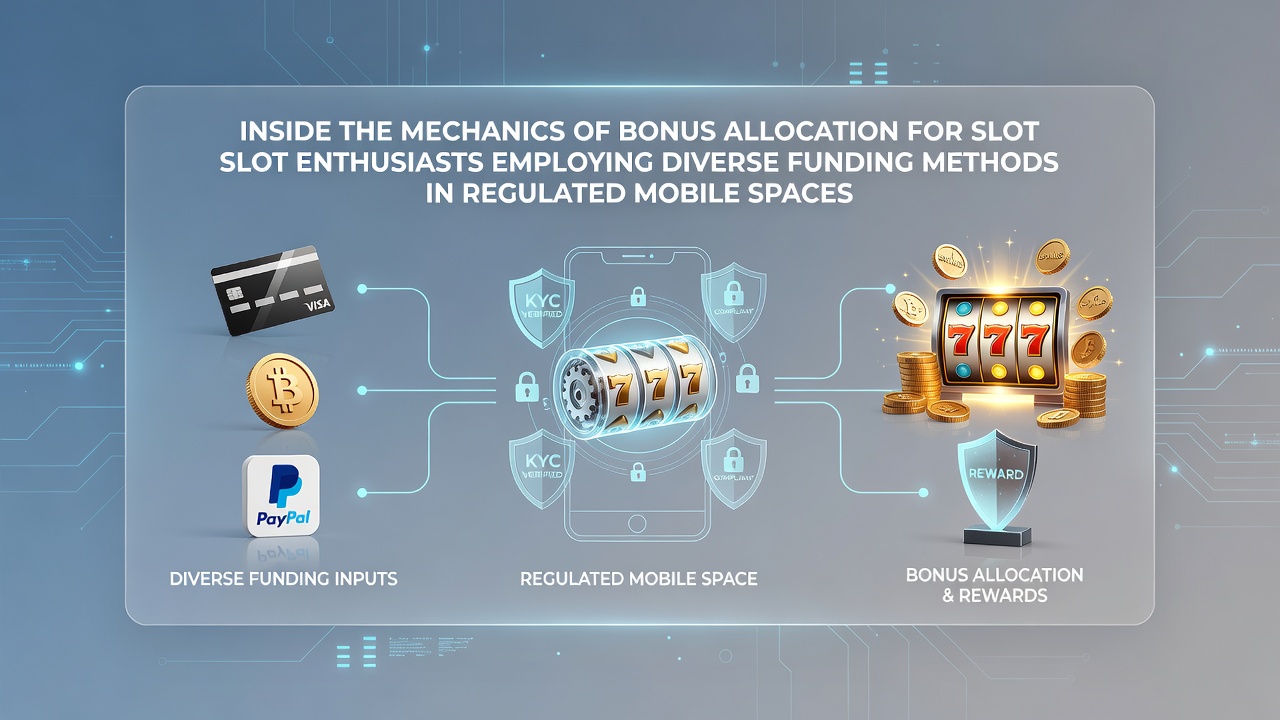
Inside the Mechanics of Bonus Allocation for Slot Enthusiasts Employing Diverse Funding Methods in Regulated Mobile Spaces
Slot enthusiasts who play through regulated mobile platforms encounter bonus allocation systems that tie directly to the funding method selected during deposits, and these mechanics operate under strict licensing conditions that dictate how operators distribute promotional credits. Data from industry reports indicates that different payment channels trigger distinct bonus structures, with e-wallets often linked to instant credit releases while bank transfers may require additional verification steps before bonuses activate. Researchers at the International Gaming Institute have documented how these variations arise from risk assessment protocols embedded in operator software.
Core Allocation Processes in Mobile Environments
Operators configure bonus systems to evaluate the funding source at the point of deposit, and this evaluation determines the multiplier applied to the bonus amount along with any attached wagering requirements. When users select credit cards for funding, systems frequently apply standard allocation rates that align with regulatory caps on promotional value, whereas cryptocurrency options sometimes receive enhanced percentages because of lower processing fees and faster settlement times. Observers note that mobile apps integrate these rules through backend algorithms that cross-reference payment provider data with player account history in real time.
November 2026 brought updated reporting requirements in several jurisdictions that compel operators to log bonus allocations by funding type for audit purposes, and these logs feed into compliance dashboards used by licensing authorities. Studies show that such tracking helps maintain transparency around how promotional funds reach players without violating responsible gaming thresholds.
Funding Method Variations and Their Impact
Bank transfers typically route through slower clearing systems, which means bonus credits may remain pending until funds clear, yet once confirmed the allocation follows the same percentage rules applied to faster methods. E-wallet deposits often bypass these delays because the transaction settles immediately, allowing the bonus engine to trigger without interruption. Those who've examined transaction logs across multiple platforms find that prepaid vouchers receive the most conservative allocation formulas, largely because they lack reversible payment features that other methods provide.
According to figures released by the Nevada Gaming Control Board, mobile slot sessions funded through diverse channels demonstrate consistent patterns where instant methods correlate with higher bonus uptake rates, and this data helps regulators monitor whether allocation rules remain equitable across player segments. The board's quarterly summaries further detail how operators must adjust their systems when new payment rails enter the market.
Regulatory Frameworks Shaping Bonus Mechanics
Licensing bodies in multiple regions enforce technical standards that require bonus allocation engines to separate promotional funds from player deposits in the ledger, and this separation prevents operators from commingling balances during withdrawal requests. Mobile platforms must display clear terms at the point of funding selection, which includes the exact bonus percentage, maximum convertible amount, and any game weighting that applies to wagering progress. Experts from the Canadian Gaming Association have compiled comparative analyses showing how these display requirements reduce disputes over allocated bonuses.

Software providers embed compliance modules that flag allocations exceeding permitted thresholds, and these flags pause the transaction until manual review occurs. The reality is that such automated checks became more sophisticated following regulatory updates implemented in late 2025, with full rollout across major mobile operators by November 2026. Industry organizations continue to publish guidance documents that detail acceptable allocation ranges for each funding category.
Player Account Integration and Tracking
Once a deposit processes, the mobile app records the funding method alongside the bonus amount in the player's ledger, and this combined record determines eligibility for future promotions based on cumulative activity. Systems track wagering progress against the bonus separately from the deposited balance, which ensures that players can access winnings from allocated bonuses only after meeting the stated conditions. Research indicates that clear separation of these ledgers improves player understanding of how different funding choices affect promotional outcomes.
Take one case where operators introduced tiered allocation for recurring deposits through the same method, and analysts observed that repeat users received incremental bonuses scaled to their funding consistency. Such structures appear in platforms licensed across multiple territories, where local rules dictate the maximum promotional exposure permitted per account.
Conclusion
Bonus allocation mechanics in regulated mobile slot environments continue to evolve alongside payment technology and licensing standards, with funding method selection serving as the primary trigger for how promotional credits distribute. Data compiled by organizations such as the American Gaming Association reveals ongoing adjustments to these systems as new funding options emerge and regulatory expectations tighten. Players encounter these mechanics through transparent interfaces that list the precise outcomes tied to each deposit channel, while backend controls maintain compliance across all transactions. The processes remain grounded in verifiable transaction data and documented allocation rules that licensing authorities oversee on a continuous basis.